Solutions
Equity and Excellence
Practical, Sustainable Strategies to Ensure Every Student Thrives

How it Works
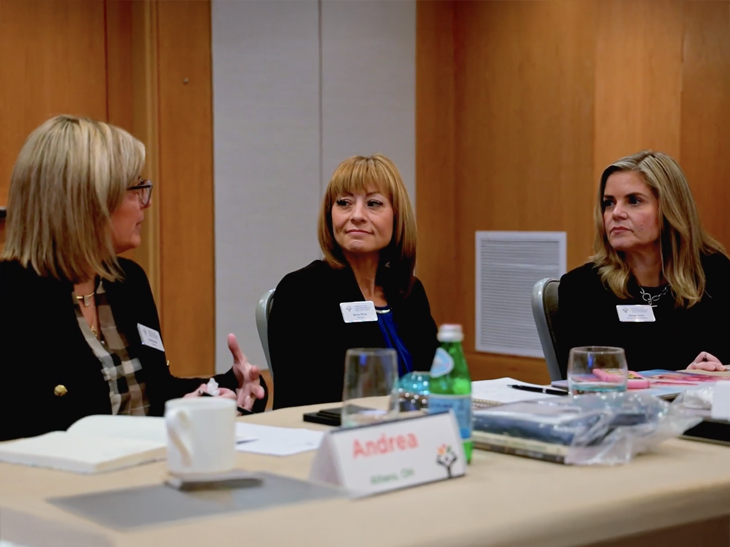
CLS partners with school and district leaders to move equity from conversation to action—without adding complexity or compliance fatigue.
- Establish a shared, practical understanding of equity and excellence
- Facilitate structured dialogue grounded in real classroom experiences
- Identify instructional and systemic barriers impacting student success
- Align expectations, grading, and support systems across classrooms
- Translate equity goals into clear, actionable next steps
Equity & Excellence training helps schools:

Ensure all students have access to high-quality instruction
Maintain high expectations while providing appropriate supports
Strengthen consistency across classrooms and grade levels
Improve student engagement, achievement, and belonging
Build staff alignment without blame, guilt, or division
Create sustainable practices—not short-term initiatives
CLS delivers Equity & Excellence training
- On-site or virtual professional learning sessions
- Leadership team facilitation and planning workshops
- Ongoing coaching and implementation support
- Customized experiences aligned to district priorities
Each engagement is tailored to your students, staff, and community.
Frequently Asked Questions
-
How do you support equity without lowering expectations?
By strengthening Tier 1 instruction and using evidence to guide support. We coach teams to: • Maintain high expectations anchored in standards • Use scaffolds, language supports, and strategies that preserve rigor • Analyze evidence to determine who needs support—and what kind • Design extension opportunities for students who are ready to go further Equity lives in how instruction is designed and delivered, not in watered-down outcomes. -
How does your work support English Learners and diverse student populations?
We integrate equity work into daily instruction and CLT routines—not as an add-on. Our coaching helps teams: • Embed language development into content instruction • Align EL Roadmap principles with CLT and MTSS systems • Design assessments that allow students to show understanding in multiple ways • Use asset-based approaches that build on students’ strengths The result is inclusive, responsive instruction that improves outcomes for all students, especially those who have been historically underserved.
Related Resources
-
 Leadership Development
Five Professional Learning Transformations for a Post-COVID World
As schools continue to recover from the tragedy of a global pandemic, they can look to new opportunities emerging amidst the trauma and grief. These opportunities include a return to the primacy of relationships among adults and students, the abandonment of ineffective practices such as inspirational monologues without meaningful interaction, and dramatic improvements in professional learning. To realize the latter, educators need to drive toward five transformations in professional learning. Although we have long known the inadequacies of traditional approaches to PD, the constraints imposed on schools by the pandemic create a sense of urgency that should make us intolerant of such ineffective practices.
-
Equity and Excellence
Challenging Inequity, Insisting on Excellence
As education leaders strive to promote excellence for all students, they confront sharply contrasting schools of thought about the best way to close achievement gaps between students of different racial and socioeconomic backgrounds.
-
Equity and Excellence
Changing the System
The desire for school change is great, but much of the advice on how to lead for change is profoundly frustrating. Follow these five ‘shifts’ to see change for the better.


Focus on what matters. Let us help you grow.
Our experts have decades of experience in K-12 education and administration and are dedicated to delivering personalized and differentiated learning opportunities to help your team grow.