-
 Blogs
BlogsCentral Coast High School: A Case Study
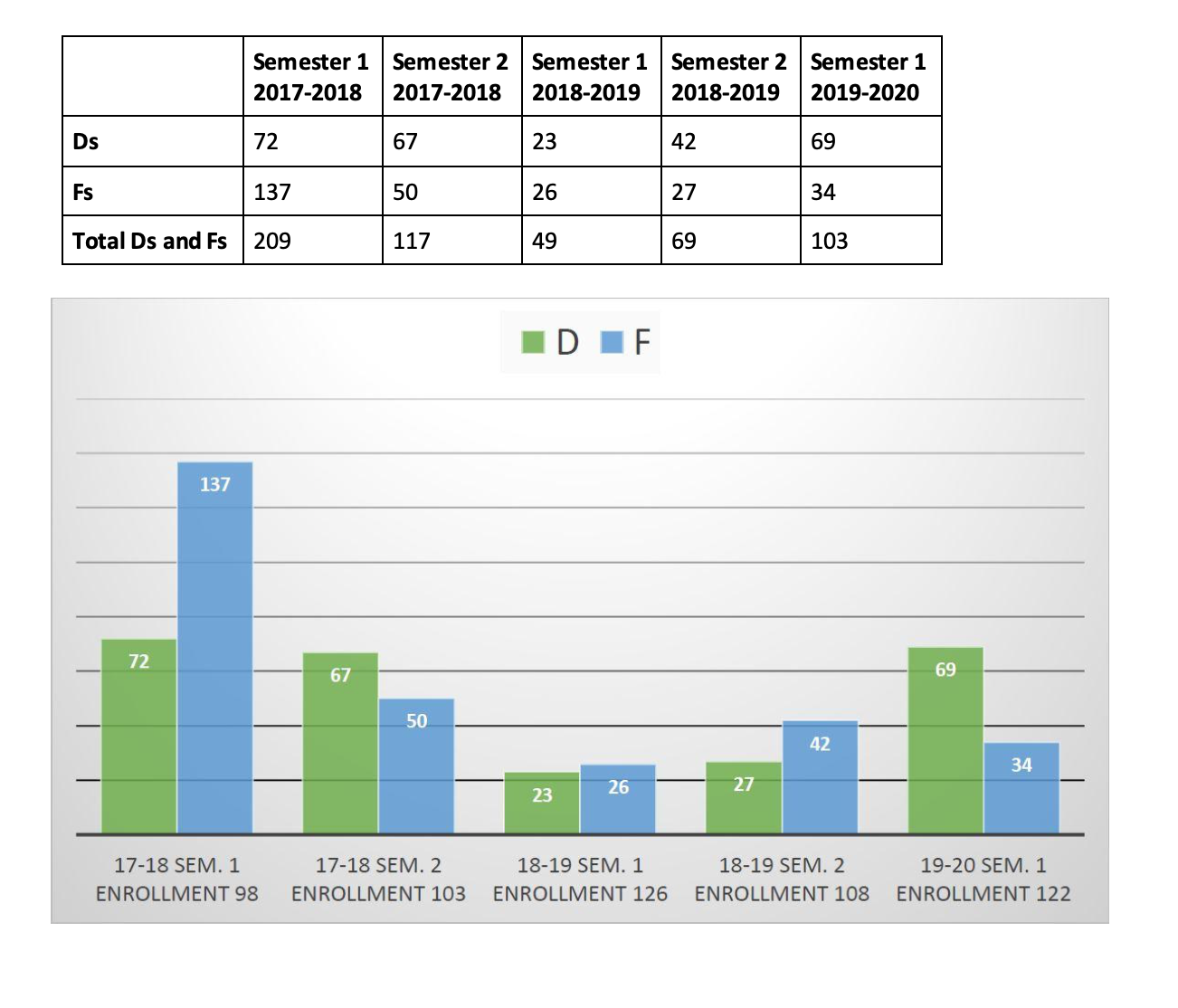
At Central Coast High School, where students are referred due to not being on track to graduate because of a history of failing classes, there were high levels of Ds and Fs. The number of students failing classes was making it even harder for students to graduate.
-
Blogs
Why Standards?
This is truly an unprecedented time in American educational history. I have been honored to continue relationships with schools across the country, albeit remotely, and am humbled by their leaders’ and faculties’ dedication to making this time as normal and productive as possible for their students
-
Blogs
Crisis Communications Plans Help Organizations Be Prepared
Twenty years ago, it was the first few hours after disaster struck that largely determined whether an organization would emerge from a crisis with its reputation intact.
-
Research Wednesday
US Department of Education
The Marshall Memo is a weekly digest of the best ideas and research from a wide range of publications. Every Sunday, I sit down and read through the journals and magazines that came in that week (I subscribe to more than 60).
-
Blogs
What Does “College Readiness” Mean?
This week I was asked by an educator, “What does collaboration look like?” It’s a profound question, because the answer is much deeper than educators and administrators sitting around a table and being pleasant to one another. Collaboration is hard work and often requires a level of vulnerability that does not come easily to many faculty members.
-
Blogs
Early Childhood Education: The Missing Link in Educational Accountability
The second study in the past month to document the long-term outcomes of effective early childhood education was released by the Consortium for Policy Research in Education (CPRE).
-
Blogs
Get Your Inbox to Zero in Three Steps
Everyone I know complains that there is too much to do and not enough time to get everything done. One of the biggest thieves of time is our email inbox. But to be fair, the inbox is not the problem; it’s the inefficient way in which we interact with emails.
-
 Blogs
BlogsThe Dangers of Screen Time . . . in 1440
We’ve all heard about the dangers of excessive screen time. Students with more than five hours a day of screen time show decreased levels of concentration and empathy. This is especially true of those screen functions that require no engagement or interaction by the student with the media, but simply allow their bodies and minds to become sedentary wastelands.
-
 Blogs
BlogsGifted Programs and Socioeconomic Status
Gifted programs in the U.S. are designed to provide enrichment for students with exceptional talent and aptitude. The aim of these programs is to help the students reach their potential and keep them engaged in school.
-
 Blogs
BlogsThe Power of Psychological Safety
Edmondson begins with a puzzle: Which team has a greater number of errors the one with high psychological safety or low psychological safety?
-
 Blogs
BlogsWhy Grading Reform is Stuck
If you ask colleagues why we have academic content and performance standards today, they are likely to reply with a curse aimed in the general direction of the No Child Left Behind Act of 2001. But there is a bit of history before the 21st century, and it is important to bear this history in mind when considering the advantages and disadvantages of standards.
-
 Blogs
BlogsThe Research Paradox: Too Much and Too Little
In a brilliant post, Johns Hopkins University researcher Robert Slavin pushes back on a number of contemporary claims about educational research. The essence of the argument is that, thanks to the research frameworks of the Every Student Succeeds Act (ESSA), abundant research suggests strong and moderate effects on student achievement of several educational interventions.

Creative Leadership Blog
CLS colleagues regularly publish on relevant topics for busy educators. Whether it is a book, article, or blog, each contains facts and practical next steps for practitioners. As with all our resources, please share with colleagues and communities.